
Composite bonding with Dr. Vik
Dr. Vikas Bajaj

Composite Bonding with Dr. Vik

Small additions.
Beautifully judged.

I use tooth-coloured composite, layered and sculpted by hand, to repair chips, close small gaps and refine edges — with little or no drilling in many suitable cases. An additive, enamel-preserving approach is used wherever clinically appropriate.

Little or no drilling*Same-day resultsLayered by hand

✓ Free consultations  ·  ✓ 0% finance  ·  ✓ Enamel-preserving where appropriate

*Suitability confirmed after a dental examination.
On this pageOverviewMy processResultsFAQBook Free Consultation
1 visit
Most cases finished same-day
Little/no
Drilling in many suitable cases
5–7 yrs
Typical lifespan, well maintained
Additive
Enamel-preserving where appropriate

The best bonding doesn't look like bonding. It just looks like you, on a better day.

— Why I layer, texture and polish every tooth by hand

What Is Bonding?

Designed to improve what
the eye lands on first.

Composite bonding reshapes and refines the visible teeth — the chips, edges and proportions people actually notice.

What I use bonding for

Bonding shines when the goal is subtle, precise refinement:

Chips, worn corners and uneven edges

Small gaps and minor spacing

Tooth shape, width and smile-line balance

Finishing detail after Invisalign

What matters before we start

Planning matters as much as the bonding itself. I'll always tell you if another route should come first:

Healthy teeth and gums, and a stable bite

Whitening first if colour is part of the goal — composite won't whiten later

Alignment first if position is the real issue

A plan that respects enamel and long-term function

My Process

Built in layers.
Never guessed in one go.

This is exactly how I build a bonding case — photographed step by step on a real patient of mine.

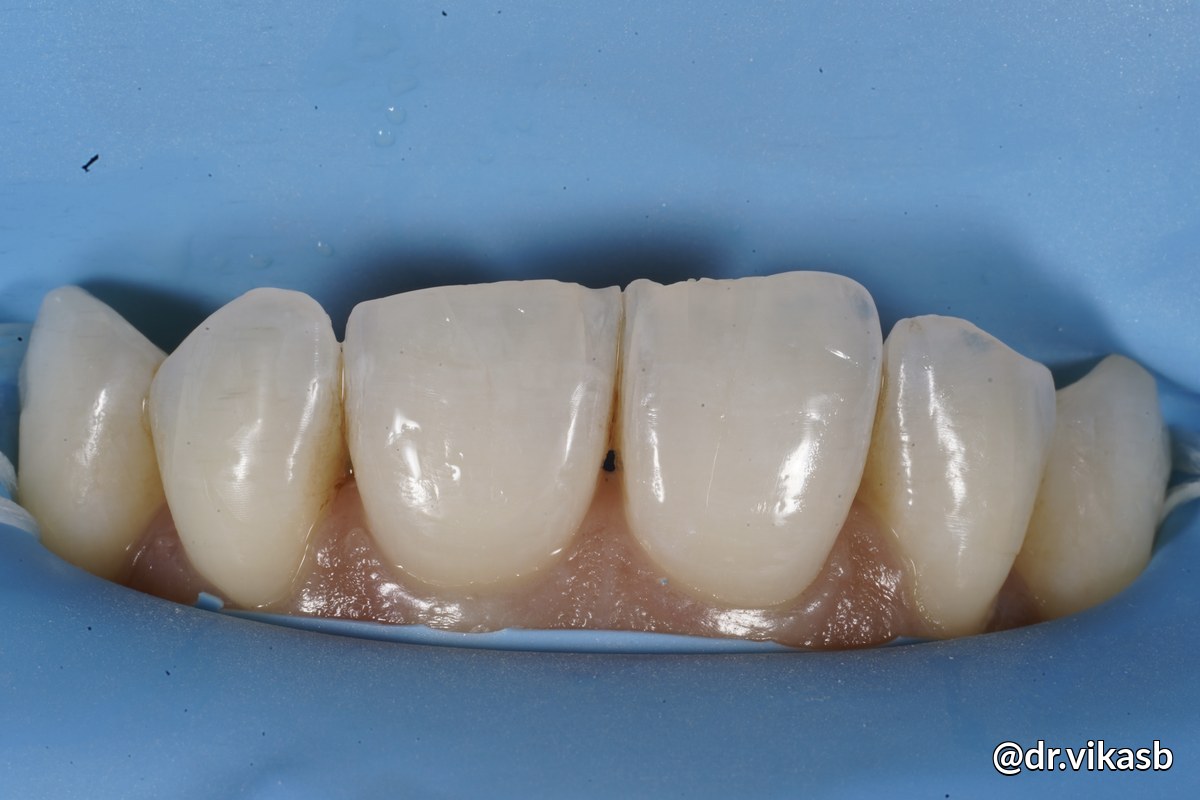
Step 1

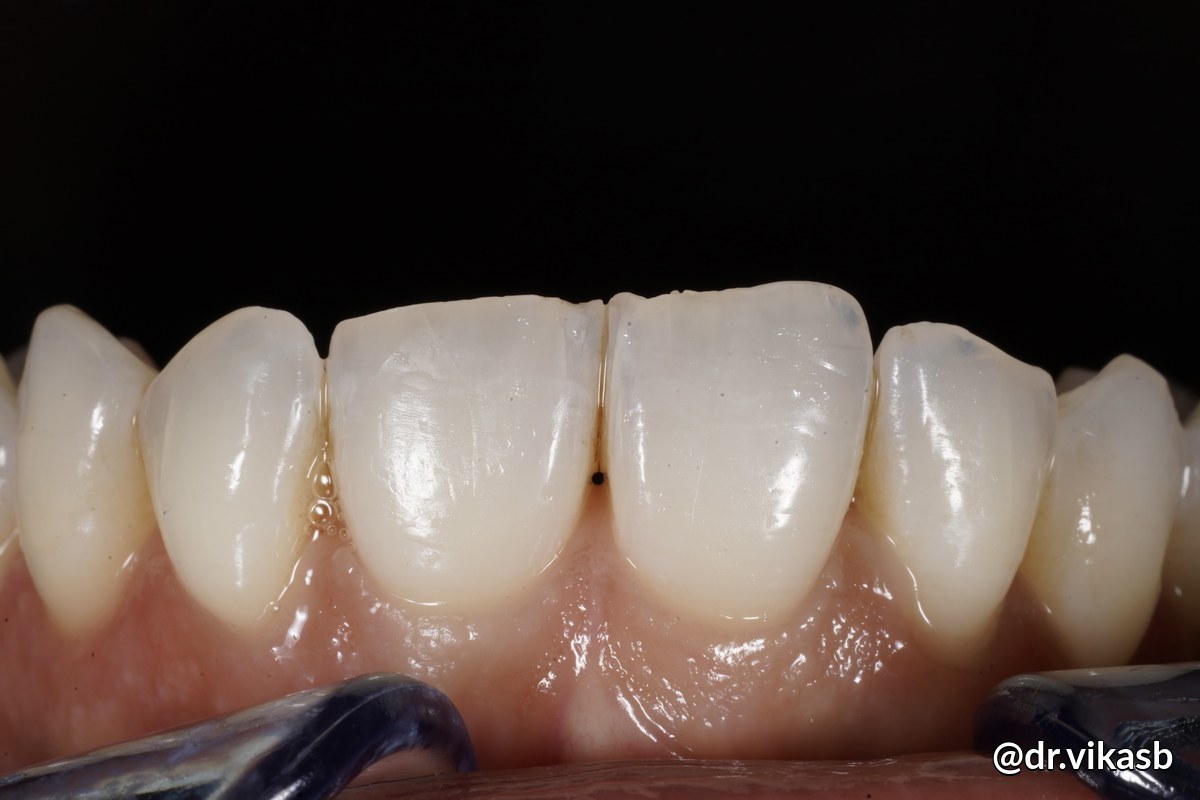
The starting point

I assess and photograph your teeth exactly as they are, so the plan is based on real proportions and what actually needs changing.

The starting point
Step 2

Isolation with rubber dam

A dry, controlled field makes the bonding behave properly — cleaner adhesion, more predictable results.

Isolation with rubber dam
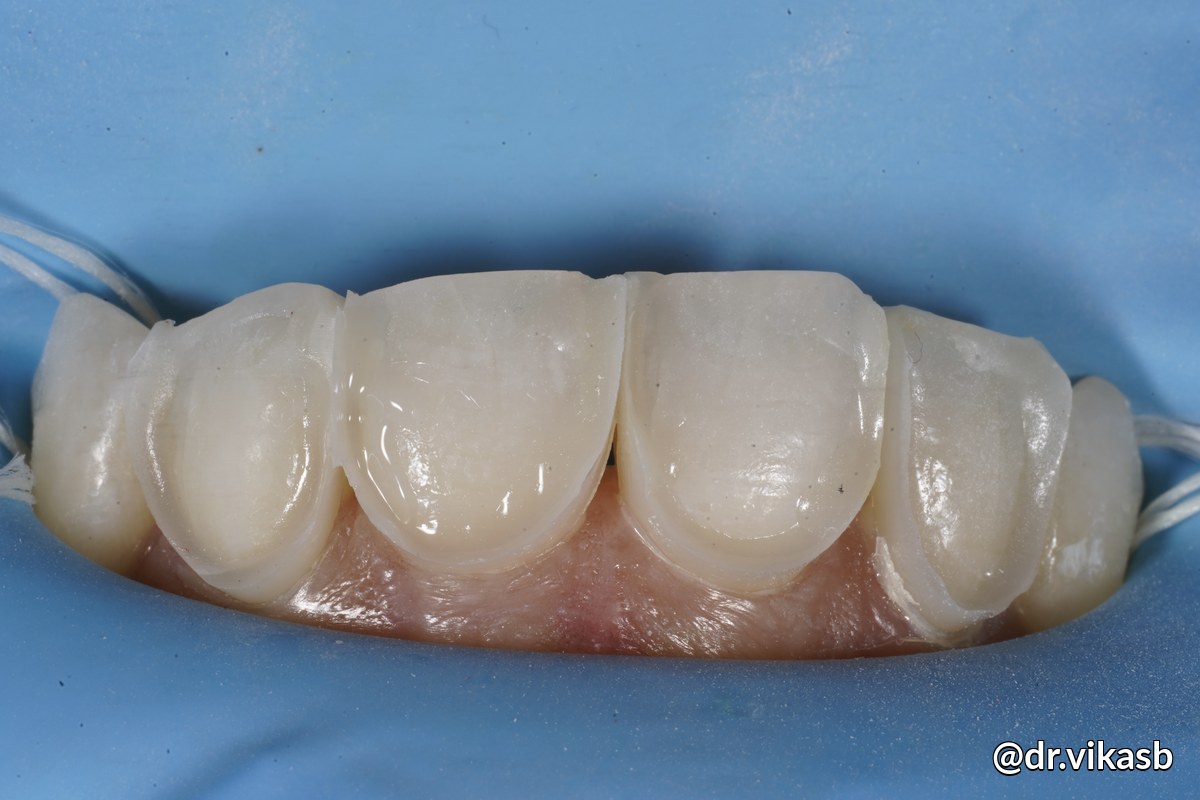
Step 3

Creating the frame

A silicone frame guides even shapes and matching sizes, so teeth build out in balance rather than being freehanded.

Creating the frame
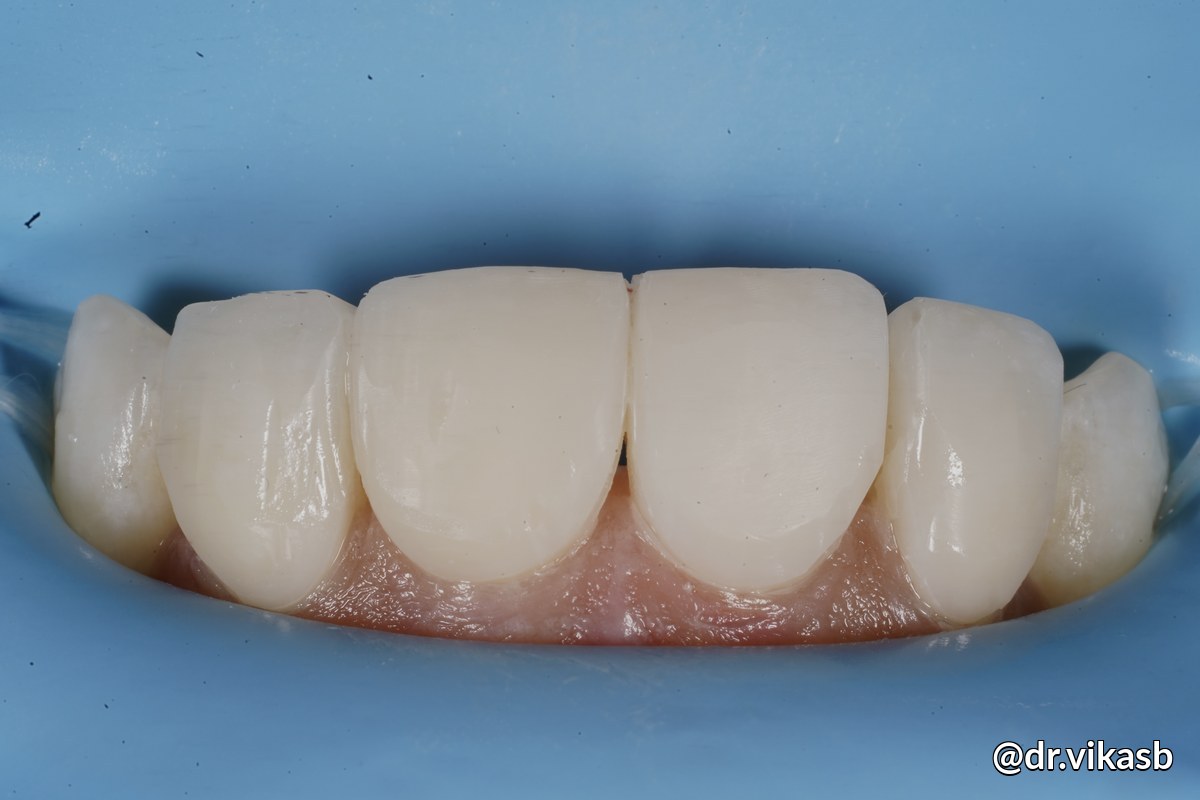
Step 4

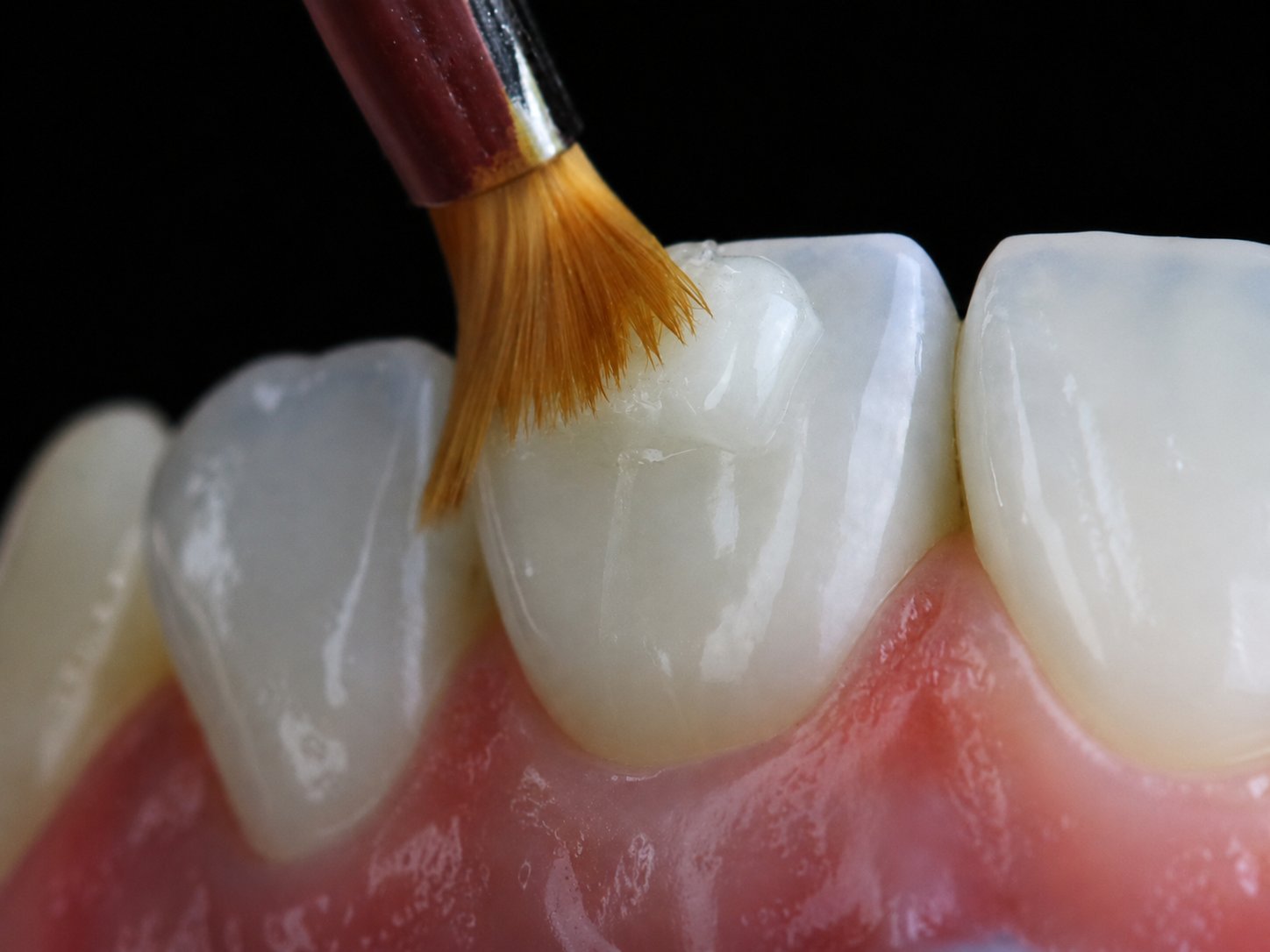
Layering and polishing

Composite goes on in thin layers, then gets refined until the contours look clean and light-catching.

Layering and polishing
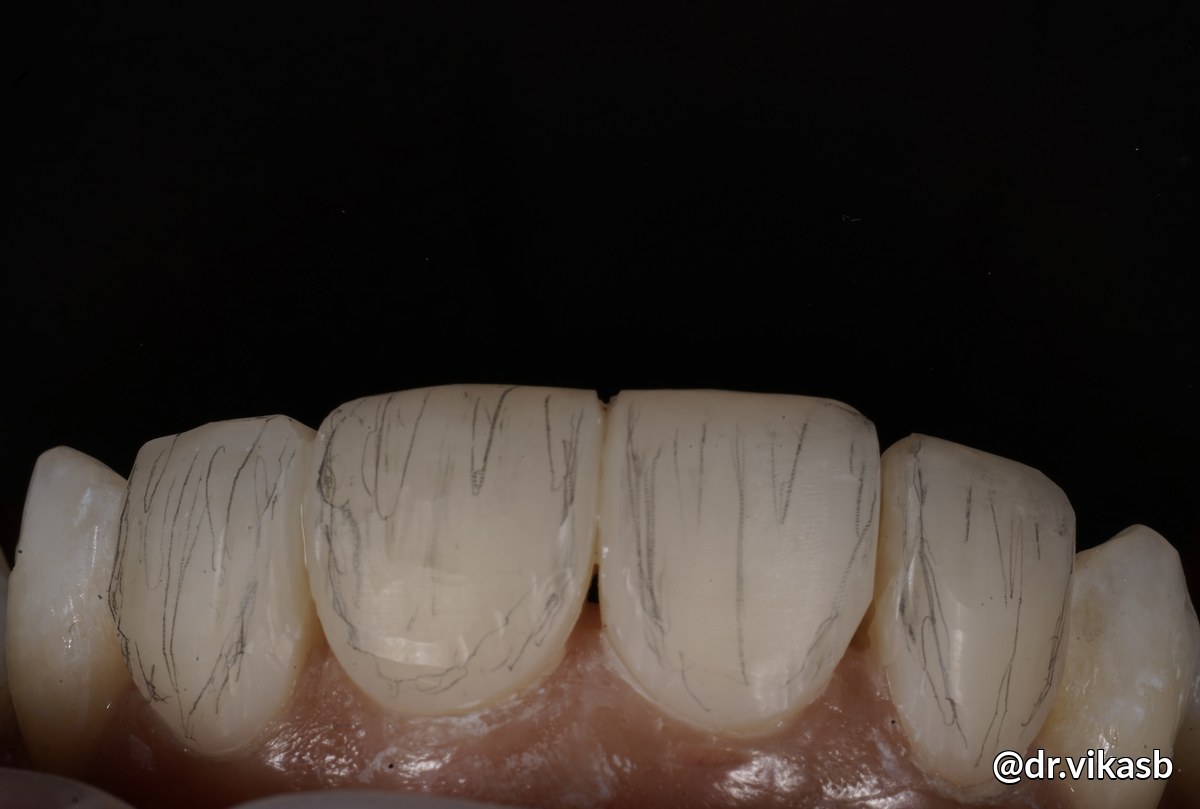
Step 5

Line angles and reflections

Pencil marks map the line angles, reflections and texture — this is what makes bonding look real instead of flat.

Line angles and reflections
Step 6

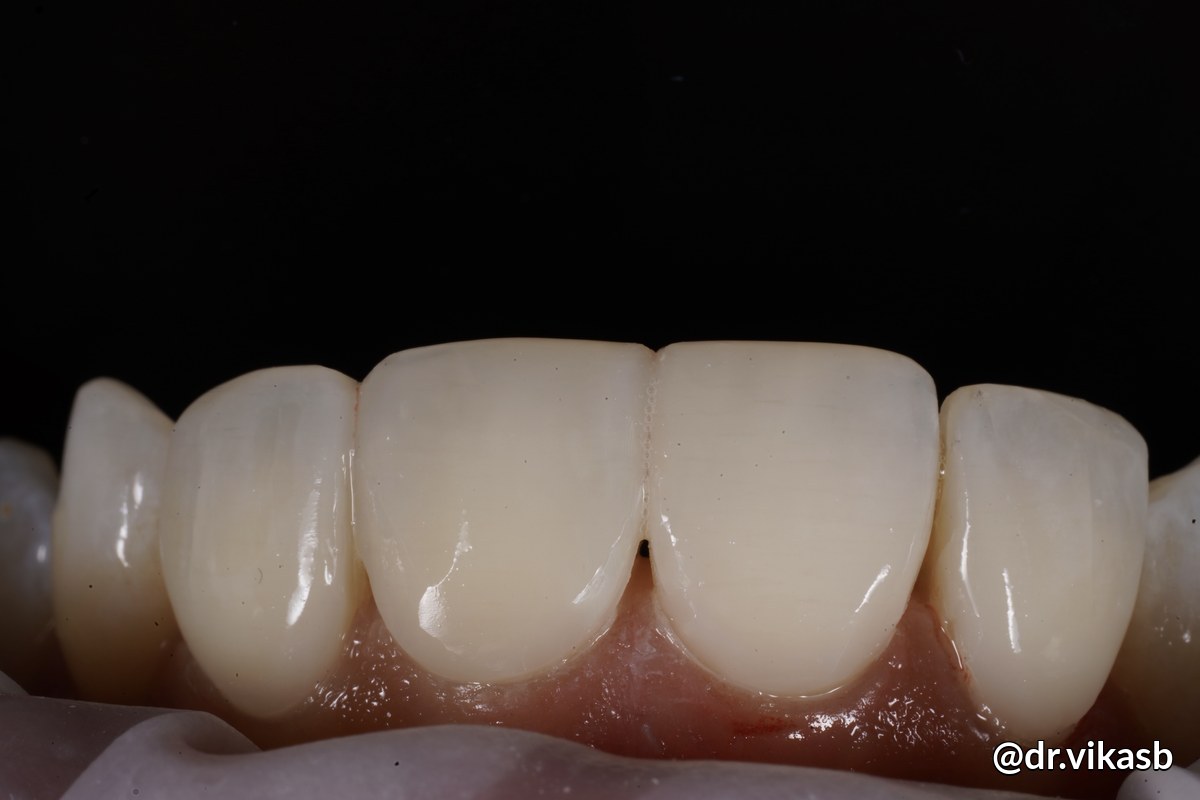
The final result

Polished, glossy, with natural texture and layering still visible. A smile that looks alive — not manufactured.

The final result

“Fantastic dentist. Reassuring, very polite, explains every aspect of your treatment. Gentle — so much so, he calms you down. Heartily recommend Vikas.”

Verified Patient — Doctify

Read more of my reviews →

Questions? Answered.

The things patients
always ask me about bonding.

Does composite bonding damage your teeth?

In many suitable cases, little or no preparation is needed. Composite bonds directly to the tooth surface, making it one of the more conservative cosmetic options available. The right approach is confirmed after an examination.

Because the process is additive rather than subtractive, very little — if any — natural tooth structure is removed. That means it's often reversible or easily modified in the future.

How long does composite bonding last?

Typically five to seven years, depending on where it's placed, the forces it endures, and how well it's looked after.

Front-tooth bonding on edges without heavy bite force lasts longer. Regular polishing and review appointments — which I build into your plan — keep it looking its best.

Is bonding better than porcelain restorations?

Not automatically — they do different jobs. Bonding is more conservative and better for smaller refinements: edge chips, slight gaps, minor shape adjustments. Porcelain offers more control, durability and colour stability for larger redesigns.

I'll talk you through both honestly at your consultation. If porcelain is the better answer for your case, I'll tell you — and vice versa.

Does bonding stain over time?

Composite can pick up surface staining more readily than porcelain — particularly from tea, coffee and red wine. This is normal and expected.

Professional polishing at hygiene visits removes surface stain and restores the lustre. If we whiten first, I shade-match the composite to your whitened teeth.

Can bonding be done in one visit?

Yes — most of my bonding cases are completed in a single appointment. The composite is applied, shaped and polished chair-side, with no laboratory work or temporaries.

Larger cases involving many teeth are sometimes split across two sessions for comfort and precision.

Should I whiten my teeth before bonding?

Usually yes, if whitening is part of your plan. Composite is shade-matched at placement and never changes colour afterwards — so whitening first gives the brightest baseline to match.

Whiten after bonding and your natural teeth lighten while the composite doesn't — creating a visible mismatch. Sequencing matters, and it's exactly what I plan for you.

Dr. Vikas Bajaj

Get Started

Your smile, refined
in a single visit.

Book a free consultation — I'll tell you honestly whether bonding is right for you, or whether Invisalign or whitening should come first.

Free consultations · 0% finance · No/minimal drilling in most cases

📞 Call Book a Free Consultation